Philosophic Encyclopedia
Take a topical "grand tour" of the Rosicrucian Philosophy!
These questions are found in Max Heindel's "The Rosicrucian Philosophy in Questions and Answers", initially printed as a two-volume set.
Questions Concerning Life On Earth: Social Conditions
-
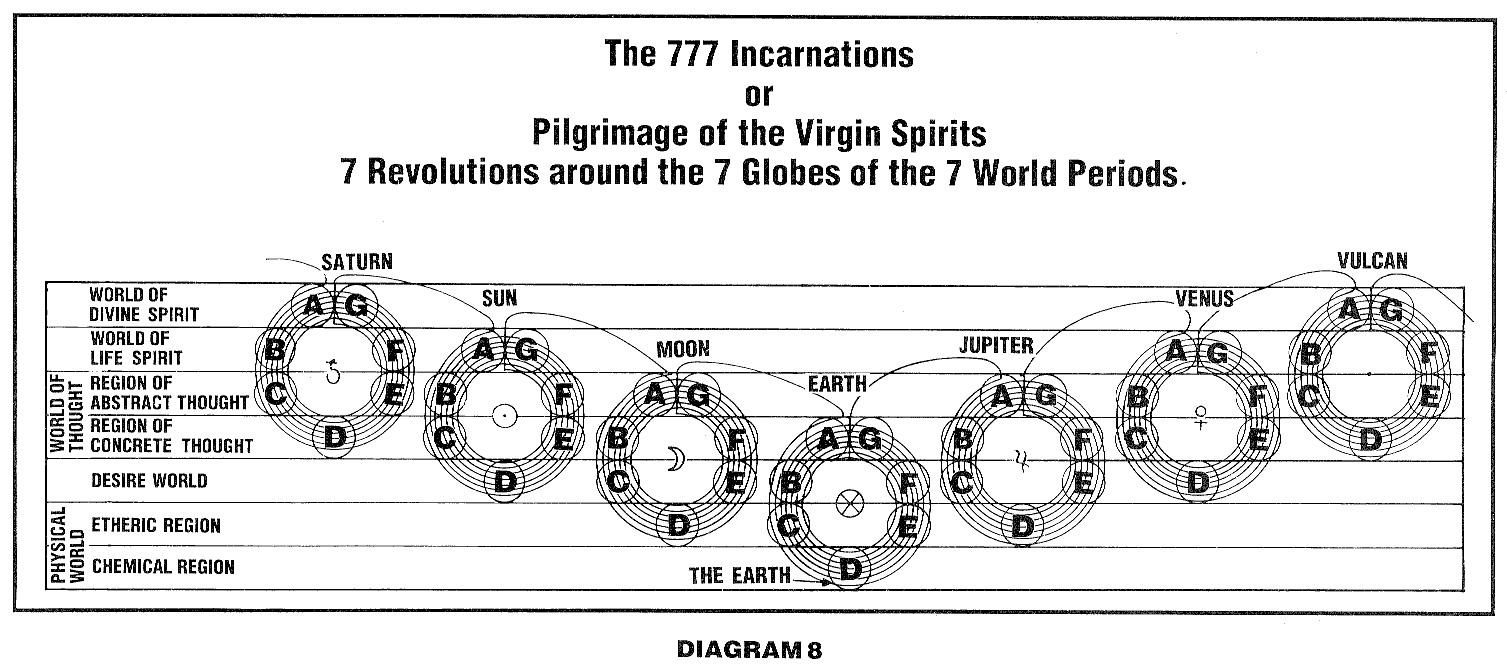
If we were pure spirits and part of an all-knowing God, why was it necessary for us to take this
long pilgrimage of sin and sorrow through matter? ...more »
-
If God made man a little lower than the Angels, how will man ultimately
become their superior in the spiritual world? ...more »
-
Why should it be necessary for us to come into this physical existence?
Could we not have learned the same lessons without being imprisoned and limited by the
dense conditions of the material world? ...more »
"Everything that exists in the universe was first a thought, that thought then manifesting as a Word, a Sound, which built all Forms and itself manifested as the Life within those forms. That is the process of creation, and man, who was made in the image of God, creates in the same way to a certain extent. He has the capability of thinking; he may voice his thoughts and in that way, where he is not capable of carrying out his ideas alone, he may secure the help of others to realize them. But a time is coming when he will create directly by the word of his mouth, so that when in time he becomes able to use His Word to create directly he will know how. That training is absolutely necessary. At the present time he would make many mistakes. Besides, he is not yet good — he would bring into being demoniac creations.
In the earliest dawn of man's endeavor, he used the solids; muscular force was his only means of performing work, and from bones and stones which he picked up from the ground, he shaped his first crude instruments to be wielded by his arm. Then came a time when in a crude dug-out he first trusted himself to the waters; a liquid and the water wheel was the first machinery. The liquid is already much stronger than the solid. A wave will raze the decks of a ship, tear out masts and twist the stoutest iron bar as it were a thin wire; but water power is a stationary force and therefore limited to work in its immediate vicinity. When man learned to use the still more subtle force which we call air, it became possible for him to erect windmills in any place to do his work and sailing vessels brought the whole world into communication. Thus, man's next step in unfoldment was achieved by the use of a force still subtler than water and more universally applicable than that element. But wind was fickle and not to be depended upon; therefore, the advancement in human civilization achieved by its use paled into insignificance when man discovered how to utilize the still more subtle gas which is called steam, for that can be made anywhere and everywhere, and the progress of the world has been enormous since its advent. There is, however, the drawback to its utility that steam-power requires cumbersome transmission machinery. This drawback is practically eliminated by using a still subtler force, more readily transmissible; electricity, which is altogether invisible and intangible" ....more »
-
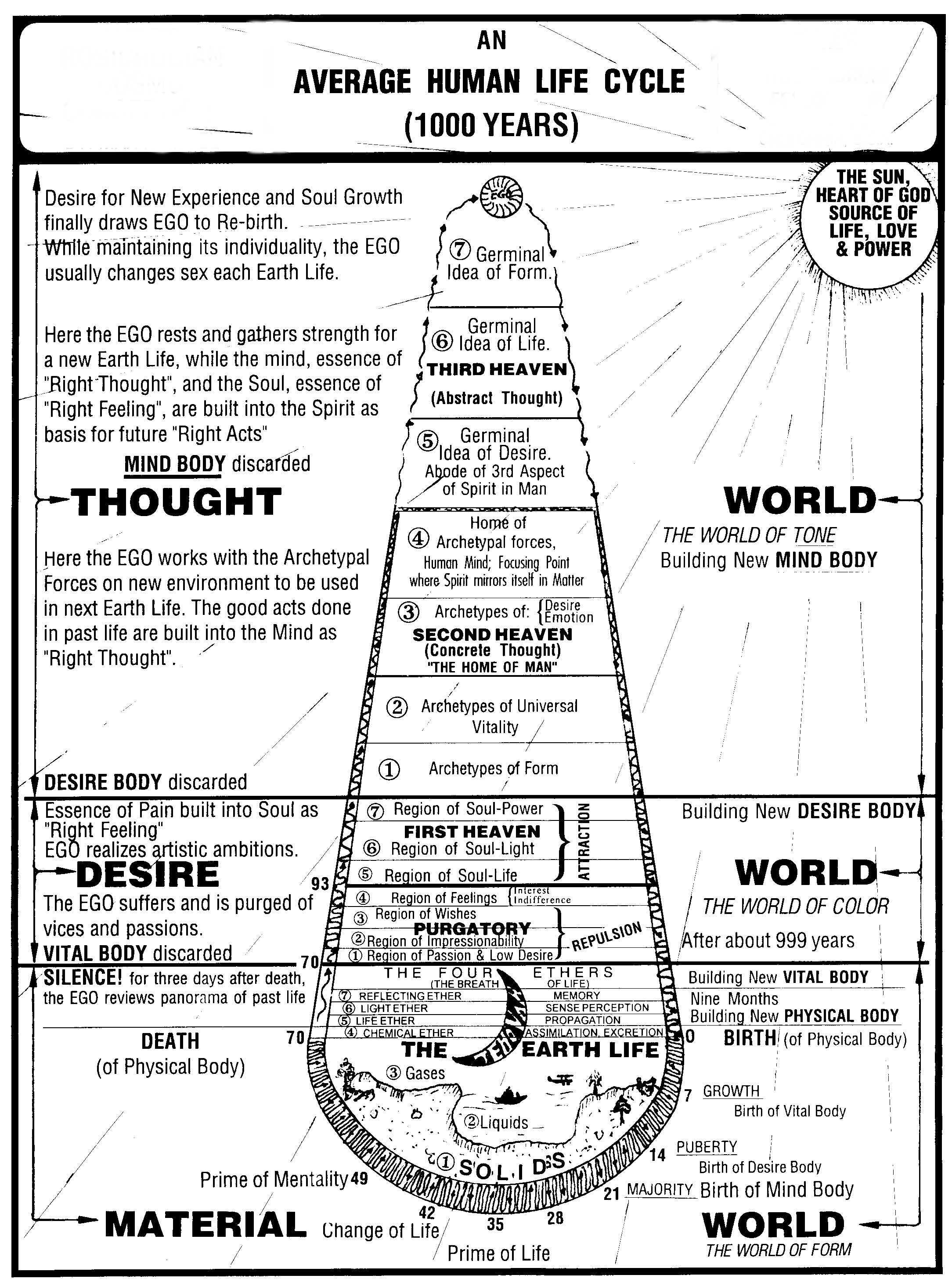
If this earth life is so important, and really the basis of all our soul growth, the latter
resulting from the experiences we gain here, why is our earth life so short in comparison with
the life in the inner worlds, approximating a thousand years
between two earth lives? ...more »
-
How long will it be before we can do without these physical bodies and function altogether
in the spiritual world again? ...more »
-
Does the spirit enter the body at the time of conception or at the
time of birth? ...more »
"It has been ascertained by clairvoyant investigation that at the time of death the spirit takes with it the forces of one little atom located in the left ventricle of the heart, which is called the seed atom, for its the nucleus or seed around which all the material in the body gathers, and every atom in the body must be capable of vibrating in unison with that seed atom. Therefore, that atom is deposited in the semen of the father some time previous to conception, and later placed in the womb of the mother. But conception is not at all identical with the time of sexual union of the parents. The impregnated spermatozoa is sometimes not imbedded in the ovum until fourteen days after the union of the parents. It is this impregnation of the ovum that may be called the time of conception, for from the moment when the impregnated ovum leaves the Fallopian tube the period of gestation commences. During the first eighteen to twenty-one days, all the work is done by the mother, but at that time the reincarnating Ego, clothed in a bell-shaped cloud of desire and mind stuff, enters the womb of the mother and the bell-shaped cloud closes at the bottom so that it is then ovoid, or egg-shaped . Then the spirit is definitely enmeshed in the flesh and cannot escape any more, but must stay with the mother until liberated by birth. In the present stage of our unfoldment, the spirit does very little conscious work upon its coming vehicle, but it is present all the time and helps unconsciously in the task of providing its instrument. This is no more remarkable than that we are able to digest our food and work our respiratory organs without being conscious of the process." ...more »
-
What was the purpose in the division of the sexes? ...more »
"The division of the sexes was brought about at a very early stage of man's evolution, when he had as yet no brain or larynx. One-half of the creative force was then turned upward in order that these two organs might be built. The brain was made for the evolution of thought whereby man creates in the Physical World. Houses, cities, steamships, railways, everything made by the hand is crystallized human thought. The larynx was also made by the creative sex-force in order that man might express his thoughts. The connection between those organs will be evident when we remember that the boy who possesses the positive creative force changes his voice at the time of puberty, when he is first able to procreate his kind; also that the man who abuses his sex-force becomes an idiot, while the profound thinker who uses nearly all his creative force in thought will have little or no inclination for amorous practices.
Prior to this division man was, like some plants today, a complete creative unit capable of perpetuating his kind without the help of another. The faculties of thought and speech have been bought at the loss of this creative power; but now that half of the creative force which is expressed through brain and larynx may be used to create things in the world — houses, ships, etc." ...more »
-
Is the soul of a woman masculine and the soul of a man feminine? ...more »
"Speaking generally, we might say "yes," the vital body which is eventually transformed, transmuted and spiritualized into soul is of the opposite sex. It is formed organ for organ exactly like the dense physical body with this one exception, and this elucidates many facts otherwise unexplainable. The faculties inherent in the vital body are growth, propagation, assimilation and memory. The woman having the positive vital body is matured earlier than the male, the parts which remain plant-like, such as, for instance, the hair, grows longer and more luxuriant, and naturally a positive vital body will generate more blood than the negative vital body possessed by the masculine, hence we have in woman a greater blood pressure, which it is necessary to relieve by the periodical flow, and when that ceases at the climacteric period there is a second growth in woman, particularly well expressed in the saying 'fat and forty.'" ...more »
-
Do we keep the same temperament through all our lives? ...more »
"So it is with the Ego. A diamond in the rough, it enters the school of experience, the pilgrimage through matter, and each life is as an application of the gem to the stone. Each life in the school of experience removes part of the roughness of the Ego and admits the light of intelligence at a new angle, giving a different experience, and thus as the angles of light vary in the many facets of the diamond, so the temperament of the Ego differs in each life. In each life we can show forth only a small part of our spiritual natures, we can realize only a small part of the splendor of our divine possibilities, but every life tends to make us more rounded and our temperaments become more even. In fact, it is the work upon the temperament that is the principal part of our lesson, for self-mastery is the goal." ...more »
-
Is the desire body subject to sickness, and does it need nutrition and replenishment? ...more »
"But if the inquirer means to ask concerning conditions after death, the matter is different. Although a person may be sick here, perhaps bedridden for years and unable to move about, when death has taken place, and he feels himself without the dense body, there is at once a sense of relief, a feeling of gladness and lightness which is unusual to him, and he suddenly wakes up to the fact that he has no pain and is able to move about. If he understands conditions, he will also know that it is unnecessary for him to take nourishment, for the desire vehicle needs no replenishment. Many people, however, are not aware of the fact and therefore we find in the lower regions of the Desire World that sometimes they will go through all the motions of ordinary house keeping." ...more »
-
How is it that we atone for all sin in Purgatory and then at rebirth must again suffer through
the law of cause and effect for sins of a former life? ...more »
"As to the evil that we have done to others, for instance, where we have dealt cruelly with a child placed under our care, where we have beaten and starved it or otherwise maltreated it, the scenes where we have thus done wrong will have impressed themselves upon the atom in the heart; later on, the etching will have been transferred to the desire body and the panorama of life, which unrolls backward, will again bring these scenes before our consciousness. We shall then ourselves feel as the child felt who was our victim; we shall feel the stripes that we inflicted just as the child felt them; we shall feel the mental anguish and mortification, we shall suffer pang for pang, and then, when we are reborn, we shall meet our victim and have the opportunity to do good to the victim instead of doing evil." ...more »
-
Is conscience the voice of God or of our Guardian Angel? ...more »
"When the spirit passes out of the body at death, the panorama of its past life passes before it during the first three and one-half days after its release from the body. These pictures are etched into the desire body and form the basis of life in Purgatory and the First Heaven, which are located in the Desire World. The past life is reproduced in pictures shifting backward so that the scenes which happened just previous to death are first gone over; then follows the life toward childhood and infancy. In Purgatory only the scenes where the soul did wrong are re-enacted, and the soul sees itself as being the one whom it wronged and suffers as those suffered whom it wronged in earth life. The record of these sufferings is indelibly engraved upon the seed atom, which is the only part of the dense body the soul takes with it and keeps permanently from life to life. This is, in a way, the "book" of the "Recording Angel," and as the suffering caused by a certain act has been engraved upon this seed atom in Purgatory, it is evident that when in a new life similar circumstances arise and the old temptations come before us, the suffering which we experienced because of that wrong deed is present in the seed atom to warn us that such and such a course of action is wrong. That is the "voice of conscience," and if the suffering entailed in Purgatory was sufficiently intense, we shall have the power to resist whatever temptation comes before us. If, on the other hand, from certain different causes, the suffering was not keen enough, we may yield permanently or temporarily in another life to the same temptations that cost suffering in previous lives; we may yield even against the small murmurings of conscience. But when we are released from our bodies and pass into Purgatory the next time, we shall there have the added suffering caused by our yielding to temptation, and the cumulative effects of this suffering will at last be sufficient to restrain us from the course which caused us pain.
When a temptation has come before us in an earth life and has been put aside consciously, we have learned the lesson and conscience has accomplished its purpose.
Replying definitely to the question, we may therefore say that conscience is the spirit's memory of past sufferings occasioned by the mistakes in previous lives." ...more »
-
What is genius? ...more »
-
Is a soul that is born as a woman always a woman in its after lives, and how long is the interval
between two earth lives? ...more »
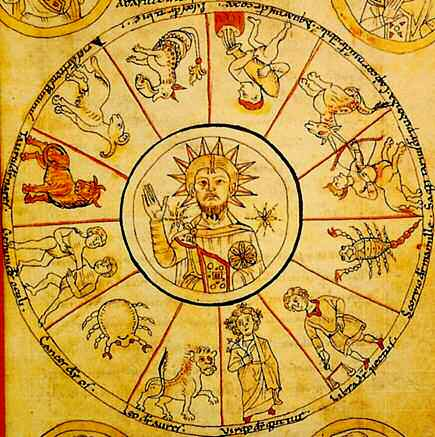
"As the sun moves backward among the twelve constellations by the movement which we call the precession of the equinoxes, the climate of the earth, the flora and fauna are slowly changed, thus making a different environment for the human race in each successive age. It takes the sun about two thousand years to go through one of the signs by precession, and in that time the spirit is usually born twice, once as a man and once as a woman. The changes which take place in the thousand years between incarnations are not so great but that the spirit will be able to extract the experiences of that environment from the standpoint of both man and woman.
However, there may sometimes be cases where the time is also changed. None of these laws are inflexible as the laws of the Medes and the Persians, but are administered by Great Intelligences for the benefit of mankind, so that conditions may be changed in order to fit the exigencies of individual cases. For instance, in the case of a musician. He cannot find the material wherewith to build his body everywhere. He needs particular help to build the three semi-circular canals of his ear in such a manner that they will point as nearly as possible in the three directions of space; he also needs special help to build the delicate fibers of Corti, for his ability to distinguish shades of tone depends upon these features.
In such a case, when a family of musicians with whom he has connection is in a position to give birth to a child, he may be brought there, though his stay in the Heaven World should not ordinarily terminate for another hundred years, for perhaps another opportunity might not offer for two or three hundred years after he should be born if the law were adhered to. Then, of course, such a man is ahead of his time, and not appreciated by the generation among which he lives. He is misunderstood, but even that is better than if he had been born later than he should have been, for then he would have been behind the times.
Thus it is that we so often see geniuses unappreciated by their contemporaries, though highly valued by succeeding generations who can understand their viewpoint." ...more »
-
When a man pays his debts, cares for his family and lives a moral life here, will he not be
all right hereafter? ...more »
"No, there is something more required, and there are many people of just that belief who have a rather unenviable time in the Desire World after death. They are, of course, to be looked up to from the standpoint of this life only, but at the present time we are required to at least cultivate some altruistic tendencies in order to progress beyond our present evolutionary status.
We find the people who have neglected the higher duties in the fourth region of the Desire World after death. There is the business man who paid a hundred cents on the dollar, who dealt honestly by everyone; who worked for the material improvement of his city and country as a good citizen, paid his employees fair wages, treated his wife and family with consideration, gave them all possible advantages, etc. He may even through them have built a church, or at least given very liberally to it, or he may have built libraries or founded institutes, etc. But he did not give himself. He only took interest in the church for the sake of his family or for the sake of respectability; he had not heart in it, all his heart was in his business, in making money or attaining a worldly position.
When he enters the Desire World after death he is too good to go to Purgatory and not good enough to go to heaven. He has dealt justly with everyone and wronged nobody. Therefore, he has nothing to expiate. But neither has he done any good that could give him a life in the First Heaven where the good of his past life is assimilated. Therefore, he is in the fourth region — between Heaven and Hell, as it were. The fourth region is the center of the Desire World and the feeling there is most intense; the man still feels a keen desire for business, but there he can neither buy nor sell, and so his life is a most dreadful monotony.
All that he gave to the churches, institutes, etc., counts as nothing because of his lack of heart. Only when we give for love will the gift avail to bring happiness hereafter. It is not the amount that we give, but the spirit that accompanies the gift, which matters; therefore, it is within the power of everyone to give and thus benefit himself and others. Indiscriminate money giving, however, often causes people to become thriftless and indigent, but by giving heartfelt sympathy; by helping people to believe in themselves and start in life with fresh ardor when they have fallen by the wayside; by giving ourselves in services rendered humanity, we lay up treasure in heaven and give more than gold. Christ said: "The poor are with us always." We may not be able to bring them from poverty to riches and that may not be best for them, but we can encourage them to learn the lesson that is to be learned in poverty; we can help them to a better view of life, and unless the man who is in the position designated by the inquirer does that also, he will not be "all right" when he passes out; he will suffer that dreadful monotony in order to teach him that he must fill his life with something of real value, and thus in a succeeding life his conscience will spur him on to do something better than to grind out dollars, though he will not neglect his material duties, for that is as bad as to spurn spiritual endeavor." ...more »
-
It is sometimes contended by people that we have a right to think what we will and are not
responsible for our thoughts. Is that so from an esoteric point of view? ...more »
-
If a person is constantly bothered by evil thoughts which keep coming into his mind although
he is always fighting them, is there any way in which he can cleanse his mind so that he
will think only good and pure thoughts? ...more »
"Supposing we have a particular dislike for a certain person whom we meet every day upon the street, perhaps a number of times. If we stop each time we meet that person and berate him for walking upon the street, for not keeping out of our sight, we are each time adding fuel to the fire of our enmity, we are stirring him up, and for pure spite he may seek to waylay us so much the more. Both like and dislike have a tendency to attract a thought or an idea to us, and the added thought force which we send out to fight evil thoughts will keep them alive and bring them to our mind the oftener, in the same way that quarreling will cause the person we dislike to waylay us for spite. But if, instead of fighting him, we adopt the tactics of indifference. If we turn our heads the other way when we meet him upon the street, he will soon grow tired of follow us; and, on the same principle, when thoughts of evil come into our minds. If we will but turn away with indifference and apply our minds to something that is good and ideal, we shall find in a short time that we are rid of their companionship and have only the good thoughts we desire to entertain." ...more »
-
If woman proceeded from man as per the rib story, will she in the final return to unity be
reabsorbed, losing her individuality in the masculine divinity? ...more »
"The fact was that man had first been like the Gods, "made in their image," male and female, a hermaphrodite, and later one side was taken away so that he became divided into two sexes. It may be further said that the first organ which was developed as it is now was the female organ, the feminine side having always existed in everything before the masculine, which came later, and, according to the law in evolution, that "the first shall be the last," the feminine will remain a distinct sex longer than the masculine, and, therefore, the inquirer is altogether wrong in the supposition. It is the masculine that will be absorbed in the feminine. Even now it is seen that the masculine organ is gradually contracting at its base and will finally cease to be.
As for losing her individuality, such a thing is impossible, it is just the purpose of evolution that we should become individuals, self-conscious and separate during evolution, self-conscious and united during the interludes between manifestations." ...more »
-
Why has woman been cursed by inequality, assumed inferiority and injustice since the
beginning of human existence upon this plane? ...more »
In the first place, we must remember that the spirit is neither male nor female, but manifests in that way alternately, as a rule. We have all been men and we have all been women. Therefore there can be no question of inequality if we look at life from the larger point of view. Certain lessons must be learned by the spirit in each age which can only be learned from the standpoint of a woman, and there are other lessons only to be learned by incarnation in a male body. Therefore, of a necessity, there must be the change in sex. It sometimes happens, of course, that for reasons a person must appear as a male for several incarnations and then, of course, when he takes upon himself the female garb, it may jar considerably. In that case we have a very masculine woman, perhaps a suffragette of a militant nature. On the other hand, a spirit may sometimes have been embodied for several incarnations in a female garb and then may appear as a man of a very effeminate nature, a regular "sissy." ...more »
-
Why was the suffering Marguerite so extreme and out of proportion to that of Faust,
even to imprisonment and the death penalty, while his life, liberty and pursuit of happiness
were unmolested? ...more »
"This question has reference to one of the myths which have come down through the ages, and contrary to the popularly accepted opinion a myth is not a story made out of whole cloth, but is veiled truth, revealing in symbol great spiritual principles. These myths were given to infant humanity for the same reason that we give our children ethical teachings in nursery stories and picture books, which impress themselves upon the infant mind in a way intellectual teaching would be incapable of doing.
Goethe, who was an initiate, has treated this Faust myth in a way that is wonderfully illuminative, and the key to the problem is found in the prologue, which is laid in Heaven, much in the same way as we find in the opening of the Book of Job. The Sons of God appear before the Throne and the Devil among them, for he is also one of the Sons of God. He is given permission to try to seduce Faust in order that the spiritual activities may be called forth and virtue developed. It is one of our great mistakes to regard innocence and virtue as synonymous; every one among us is born innocent, he comes here without any evil, that has all been purged away, but he has certain tendencies which may develop into vice and, therefore, he must be tried in every life to see whether he will yield to temptation and embrace vice, or whether he will stand firm and develop virtue. Faust is tempted, he falls, but afterwards he sincerely repents and transmutes the evil forces to good, so that at last he is saved. Repentance and reform before death has wrought his salvation, the impure passion he felt for Marguerite gave place to his pure love for Helen. Marguerite also yields to the temptation, she repents and is saved by means of the forgiveness of sins. Thus in the case of one it is salvation by acts. By his energy, which dominates the evil forces, he builds a new land, a land where a free people may live under better conditions; he is seeking to lift humanity to a higher plane, and by that act, by his unselfish work for others, he is redeemed from the powers of evil. In Marguerite's case, salvation results from prayer and repentance. Thus we have in that drama, as represented by Goethe, a perfect symbol of the Western teaching that there is both the forgiveness of sins and the expiration of a wrong act by a corresponding right act. Death is something that comes to all and the suffering which was incident to the wrong act in each case is surely none the less in the case of Faust, where it was prolonged over a long period of years, than in the case of Marguerite, where the life is ended in a much shorter time. The only difference is that Faust has overcome consciously and will in future life be immune to temptation, while the case of Marguerite is problematical. In a future earth life she will yet have to meet temptation in order that it may be made manifest whether or not she has developed the strength of character requisite to withstand the wrong and adhere to the right." ...more »
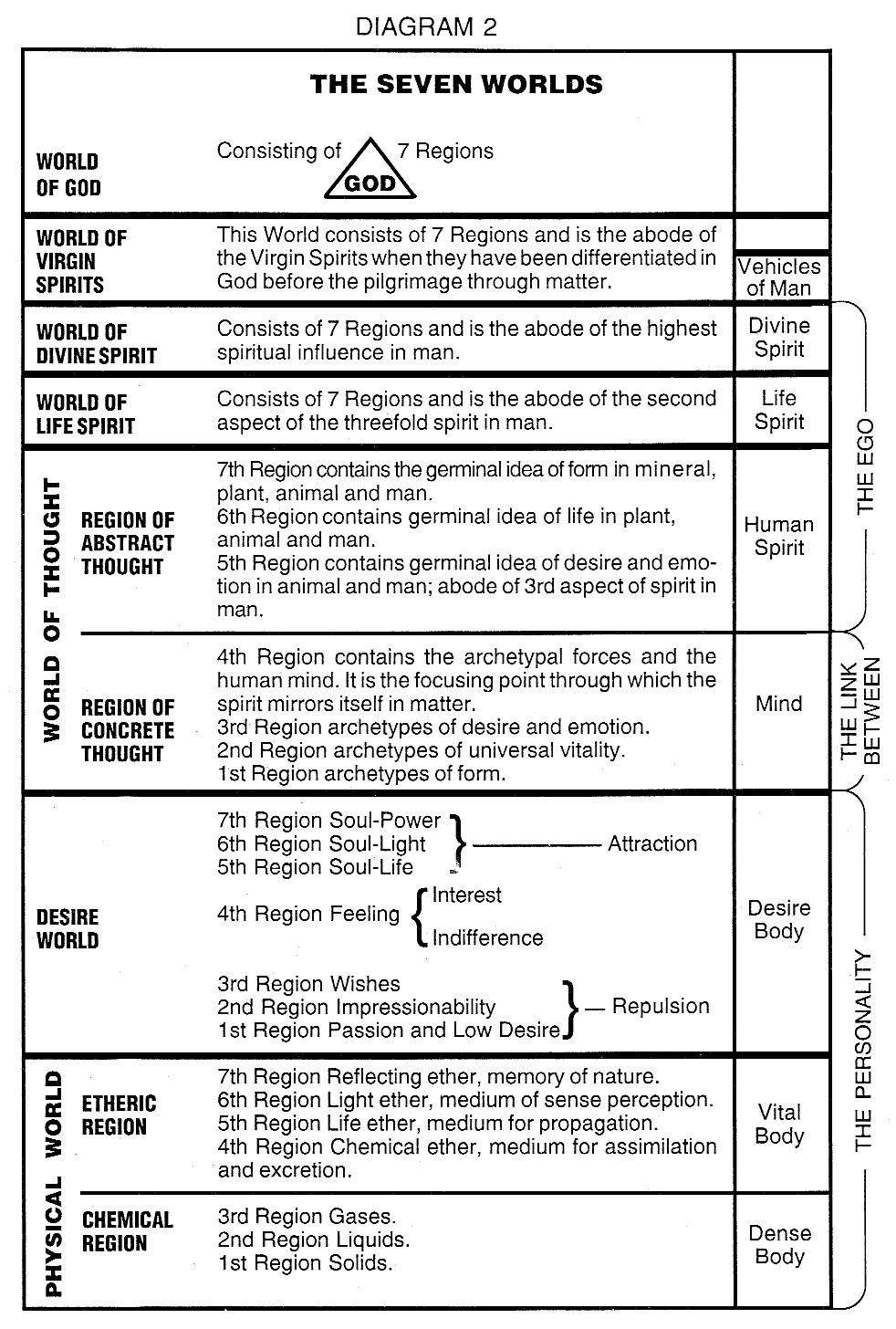
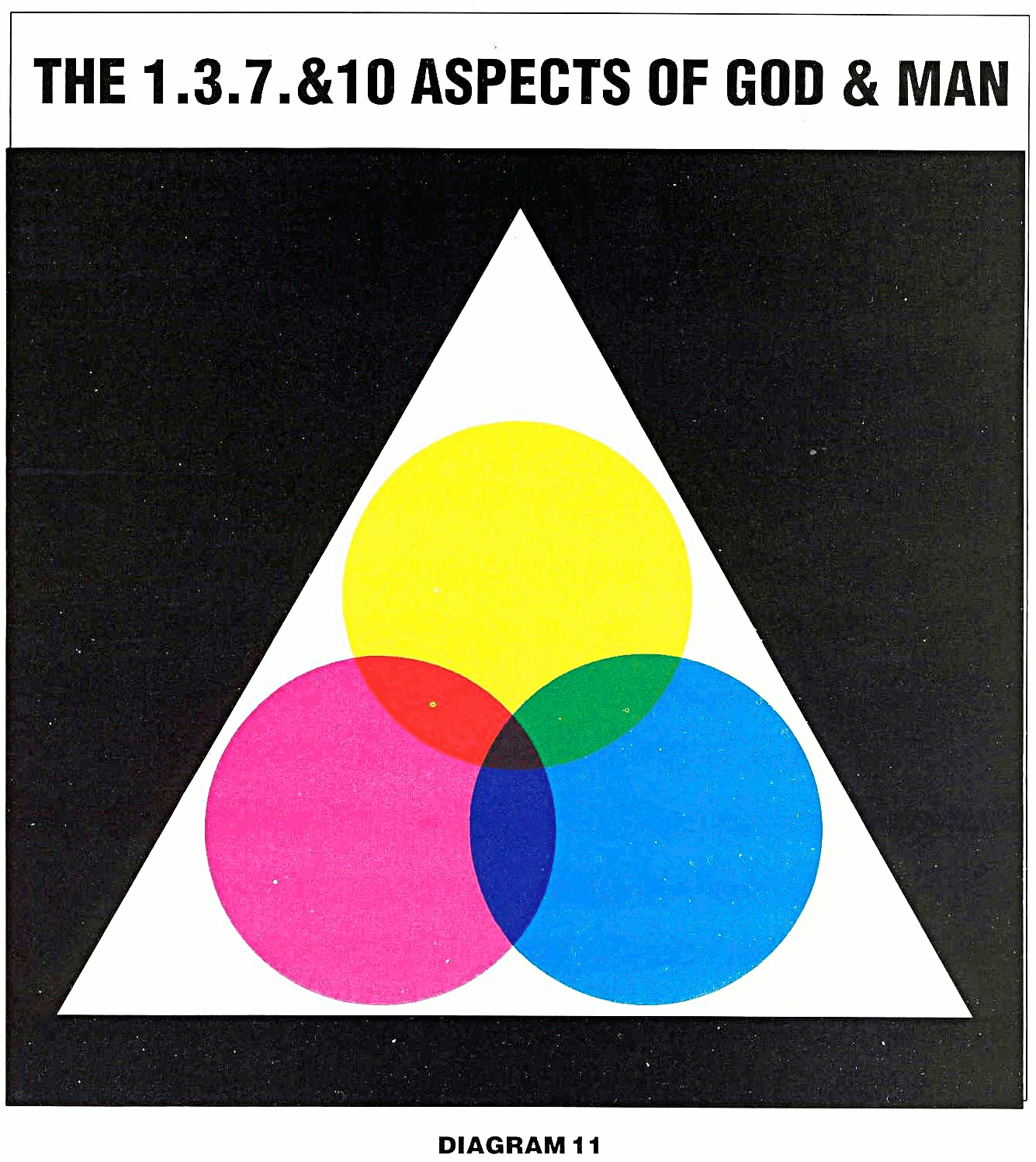
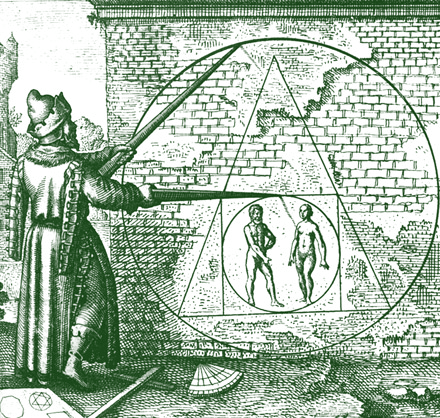
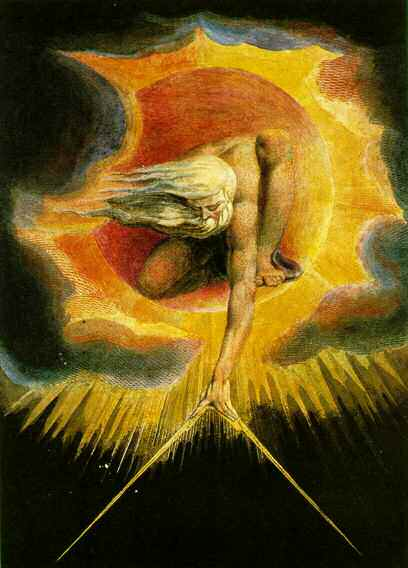
Click on the diagrams below for more information:
|
Contemporary Mystic Christianity
|
|
|
|
This web page has been edited and/or excerpted from reference material,
has been modified from its original version, and is in conformance with
the web host's Members Terms & Conditions. This website is
offered to the public by students of The Rosicrucian Teachings, and has
no official affiliation with any organization.
|
Mobile Version
|
|